Build a financial system of record
Track balances, transactions, and financial flows across users, wallets, and platforms with a programmable ledger infrastructure.
Start building with ledger infrastructure →
Fragmented financial tracking creates risk
Tracking transactions across systems is difficult
Platforms often track balances and transactions across multiple databases, spreadsheets, or internal systems, making it difficult to maintain accurate records.
Building a reliable ledger requires deep expertise
Designing a ledger system that tracks balances, handles debits and credits, and maintains accurate records requires deep financial infrastructure expertise.
Platforms need accurate real-time balance tracking
When platforms manage wallets, payouts, or internal balances, maintaining real-time visibility into financial activity becomes critical to operations.
Programmable ledger infrastructure for modern platforms
Maintain a single system of record
Track every financial transaction across your platform through a centralized ledger infrastructure. Record and monitor financial activity across wallets, transfers, and payouts in one reliable system.
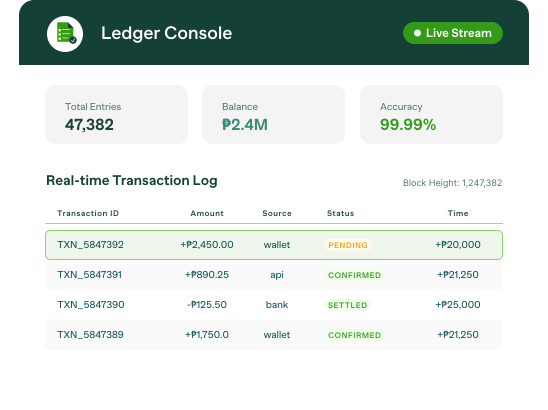
Track balances in real time
Maintain accurate account balances as transactions occur across your platform. Balances update automatically as funds move between users, merchants, and platform accounts.

Build financial products on reliable infrastructure
Launch financial products such as wallets, loyalty balances, or internal credit systems on top of a scalable ledger architecture without building complex accounting systems internally.

How it works
From API access to live financial product in days. Build on proven ledger infrastructure instead of engineering from scratch.

Create ledger accounts
Assign ledger accounts for users, merchants, or platform entities through the API.

Record financial transactions
Transactions generate debit and credit entries within the ledger automatically as funds move.

Maintain real-time balances
The ledger tracks all balances and transaction histories with real-time visibility across your platform.