Blog
News, stories, and how-to's from the PayMongo community.

Business Permit Requirements in the Philippines: The Complete 2026 Checklist
Most business permit applications don't get rejected. They get sent back; one missing barangay clearance, one unnotarized lease contract, one trip to city hall wasted. The business permit requirements in the Philippines are not complicated. They are just spread across four different offices, and nobody hands you a single checklist. This guide puts them all in one place. You will find the exact documents your local government unit (LGU) will ask for, where each one comes from, what it costs, ho
Preventing Payment Scams: A Guide for Philippine Businesses
72% of surveyed Filipino consumers were targeted by a digital fraud attempt between August and December 2025. The global figure was 53%. That gap is not just a consumer problem. Every one of those attempts can have a business on the other side of it: a seller shipping goods against a fake receipt, a merchant dealing with a chargeback, or a finance team sending funds to a spoofed bank account. If you accept online payments in the Philippines, you are already in scope. This guide covers the payme

This theatre company navigates how a business in the arts can be more sustainable
From original hits to packed lobby booths, Barefoot knows passionate storytelling needs seamless operations. With PayMongo, they integrated multi-payment channel acceptance while automating post-show revenue reporting. Discover how frictionless payments help power the future of Filipino theater.
InstaPay vs PESONet in 2026: What Changed for PH Businesses
On 29 July 2026, the Bangko Sentral ng Pilipinas and Philippine Payments Management, Inc. launched InstaPay for Business, allowing eligible business and corporate accounts to send up to PHP 500,000 per transaction through participating institutions. The service does not impose a scheme-level limit on the number of transactions or aggregate daily value, although originating institutions may apply their own limits. A few weeks earlier, BSP lifted its moratorium on increases to InstaPay and PESONe
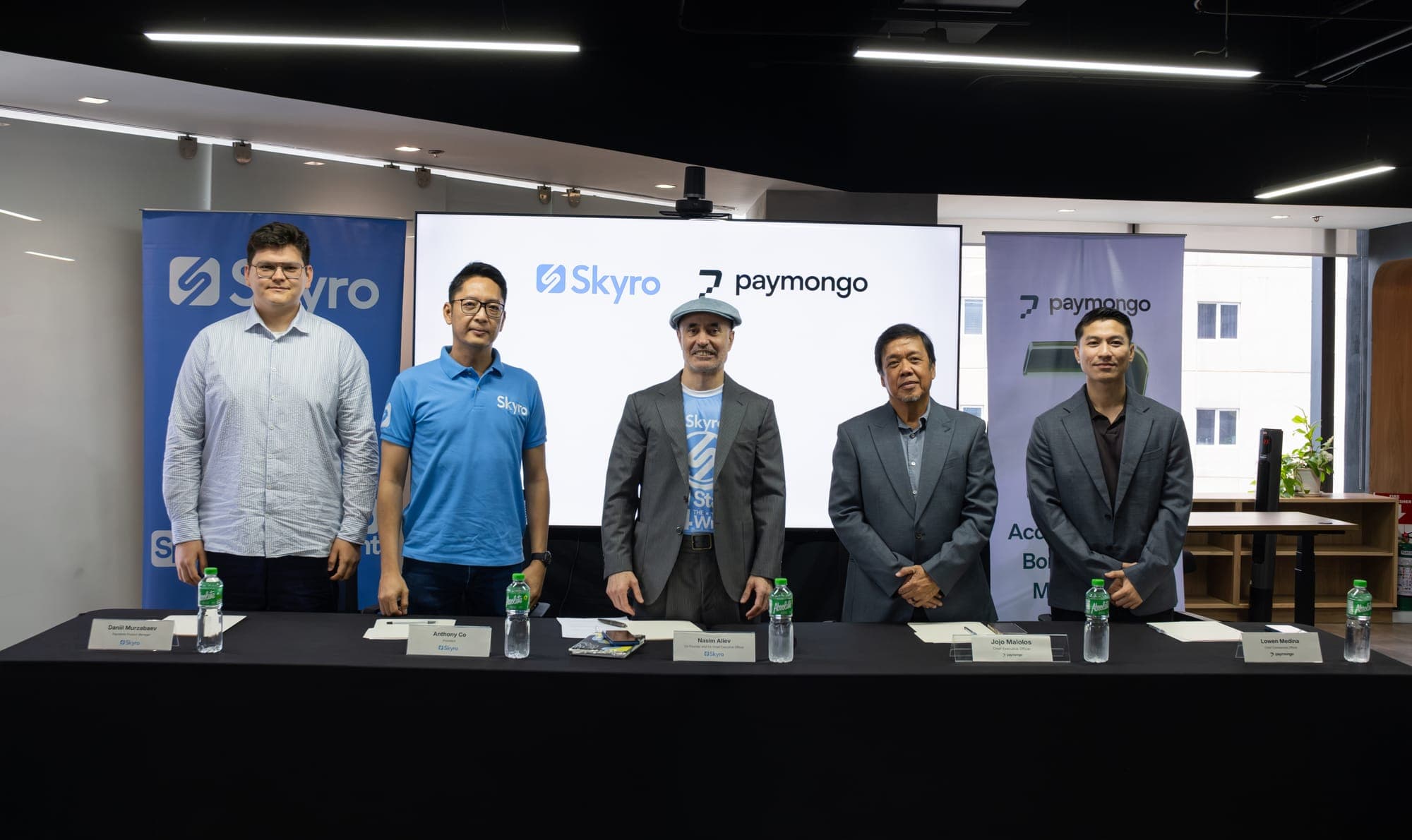
PayMongo and Skyro to close the gap between digital payments and credit access
The partnership lets customers approved with a single government-issued ID spend a credit line at thousands of merchants, with no new setup required from businesses. MANILA, Philippines — PayMongo and consumer finance platform Skyro announced a partnership today that will give thousands of Filipino businesses access to new customers who can pay with accessible credit. Customers approved for a Skyro credit line will be able to spend it at QR Ph merchants through PayMongo’s network and regulate
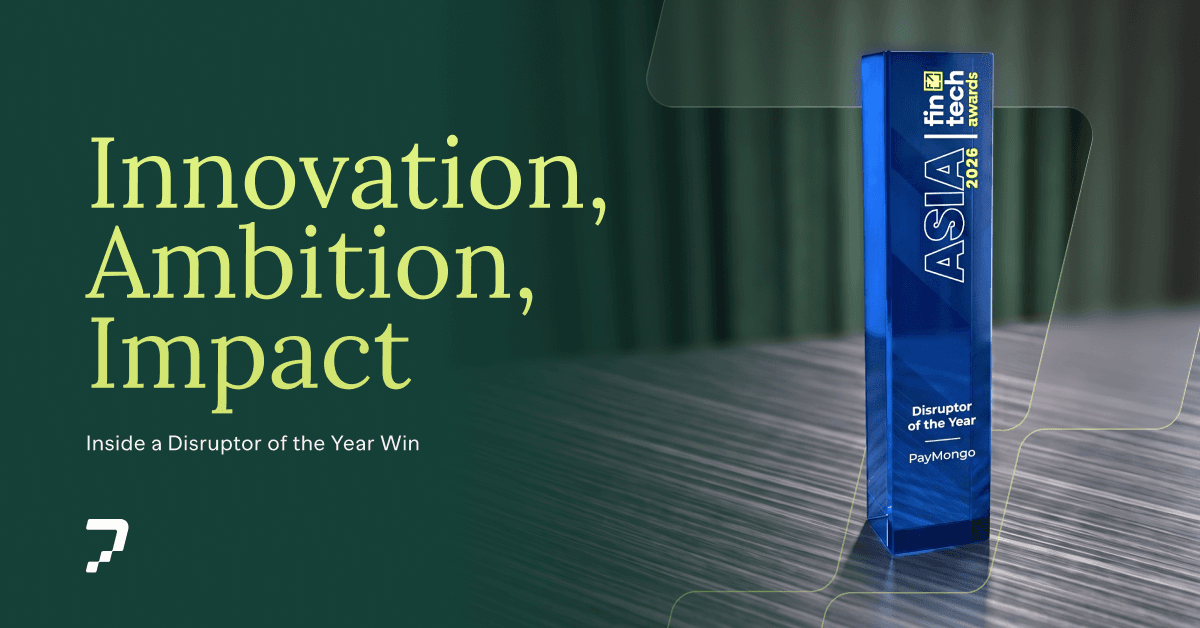
Innovation, Ambition, Impact: Inside a Disruptor of the Year Win
PayMongo was named Disruptor of the Year at the Asia FinTech Awards 2026, recognized for a "transformative approach, combining innovation, ambition and measurable impact," according to the organizers. Three words. PayMongo's last three years map onto all of them. Most disruption is a fight for market share. Ours wasn't. In the Philippines, the competition wasn't another company; it was the manual processes businesses kept operating on. Before PayMongo, the tools to accept digital payments ex
Dropshipping in the Philippines: Why COD May Not Be Optimal Anymore
You found a supplier. You built the store. You ran the ads. Then a Php1,200 order comes in, you pay the supplier upfront, the courier delivers it, and the customer refuses to accept the package. You just paid for the product, the shipping out, and the shipping back. You earned nothing. That is the hidden math of cash on delivery, and it remains a major payment option for dropshipping businesses in the Philippines. But the ground has shifted. Digital payments made up 64.7% of retail payment vol
The Checkout Was Never The Point
PayMongo won two categories at the 2026 Asian Banking & Finance Fintech Awards, one verdict on the same bet. Getting paid online used to be the hard part of running a business. It isn't anymore. Any merchant can accept cards, e-wallets, or a QR Ph scan within days of deciding to. Acceptance became table stakes — and the real friction moved deeper into the business: settlements that arrive slowly, Friday afternoons lost to manual disbursements, and growth capital that banks won't extend without
Sales Invoice vs Official Receipt: What the BIR Requires
Since April 2024, the Official Receipt is no longer the BIR’s primary proof of sale. The Sales Invoice is, both for goods and for services. Most Philippine businesses have made the switch on paper. Far fewer have caught the part that actually costs money: the invoice you issue is now the document that starts your tax clock, whether or not your customer has paid you. This guide covers what to issue, when to issue it, and the two documents most SMEs still get wrong. The short answer The Invoic
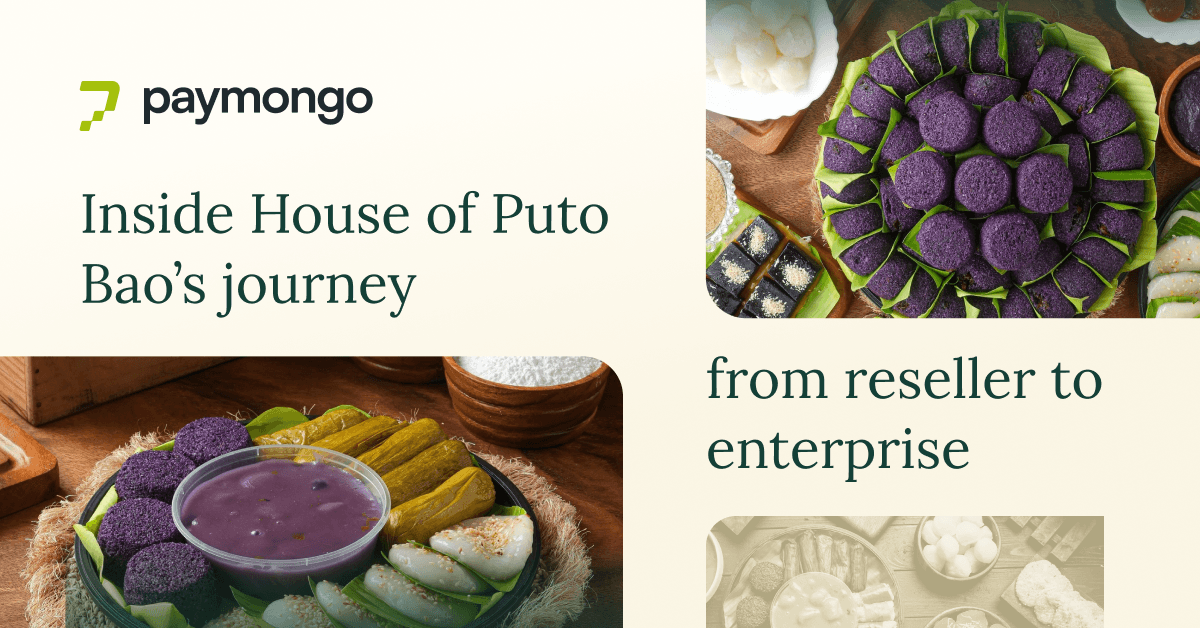
The House of Puto Bao Story: From One Kiosk to Three Branches and 30+ Products
From a struggling MRT kiosk to a media-celebrated brand with 3x growth and a catalog of over 30 regional delicacies, House of Puto Bao reinforced their backend operations to avoid facing payment bottlenecks and fake payment screenshots.
InstaPay for Business: What the New ₱500,000 Transfer Limit Means for Philippine Businesses
For years, ₱50,000 was the most you could send in a single InstaPay transfer. Paying a ₱180,000 supplier invoice? Four transfers. Running payroll? Batch it through PESONet and wait, or cut a check. That changed on 29 July 2026. The BSP and Philippine Payments Management, Inc. (PPMI) raised InstaPay’s per-transaction limit for registered businesses from ₱50,000 to ₱500,000 on the same 24/7 real-time rail. More money, fewer transfers, same real-time speed. Here’s what changed, what didn’t, w
Dissecting the Credit Gap Amongst Filipinos: Why the Gap Isn't Just About Loan Access
For a small business, access to credit is often treated as a yes-or-no question: can the business qualify for a loan? The question is certainly black or white. But what most miss is that businesses don't stay the same size after gaining access to a loan. A business may start by borrowing to restock inventory or cover a short-term cash gap. As it grows, its needs can change. It may need more working capital, a larger facility, or financing at a different point in its operating cycle. So, wh