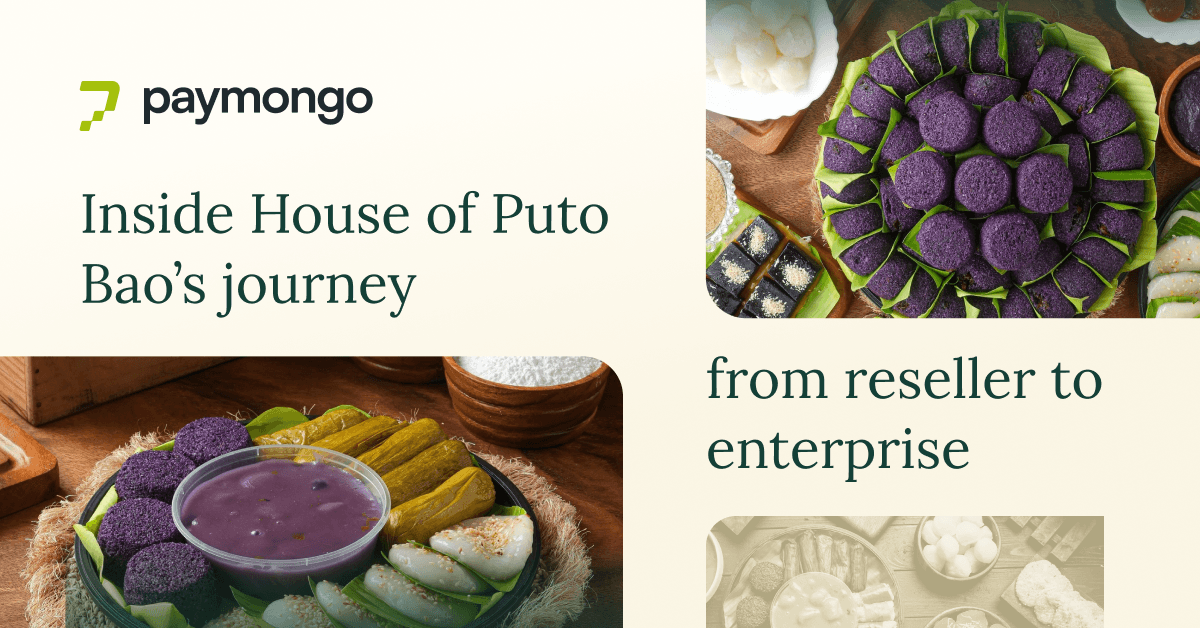
In 2017 when facing an uphill battle with her retail kiosk at an MRT station, Jenny de Vera decided to shift gears. She began reselling puto sourced from Quezon—simply because it was a product she genuinely loved—and let word of mouth handle the rest.
That pivot set off a chain reaction. Within a few years, demand quickly eclipsed the reseller model. By 2021, House of Puto Bao transitioned into in-house manufacturing, with Jenny’s husband, Gabby, stepping in full-time to lead operations. What started as an escape from a struggling kiosk had transformed into a full-fledged enterprise complete with its own commissary, original recipes, and a loyal, ever-growing customer base.
Today, House of Puto Bao boasts three Metro Manila branches, a catalog of over 30 products, and a strong digital footprint across GrabFood, Foodpanda, and their custom e-commerce site. Having earned features on GMA Public Affairs, Biyahe ni Drew, Yummy.ph, and When in Manila, their path from a single MRT stall to a media-celebrated brand was no accident. It is the story of deliberate strategic choices—right down to how they manage their financial foundation.
The Kakanin Mission
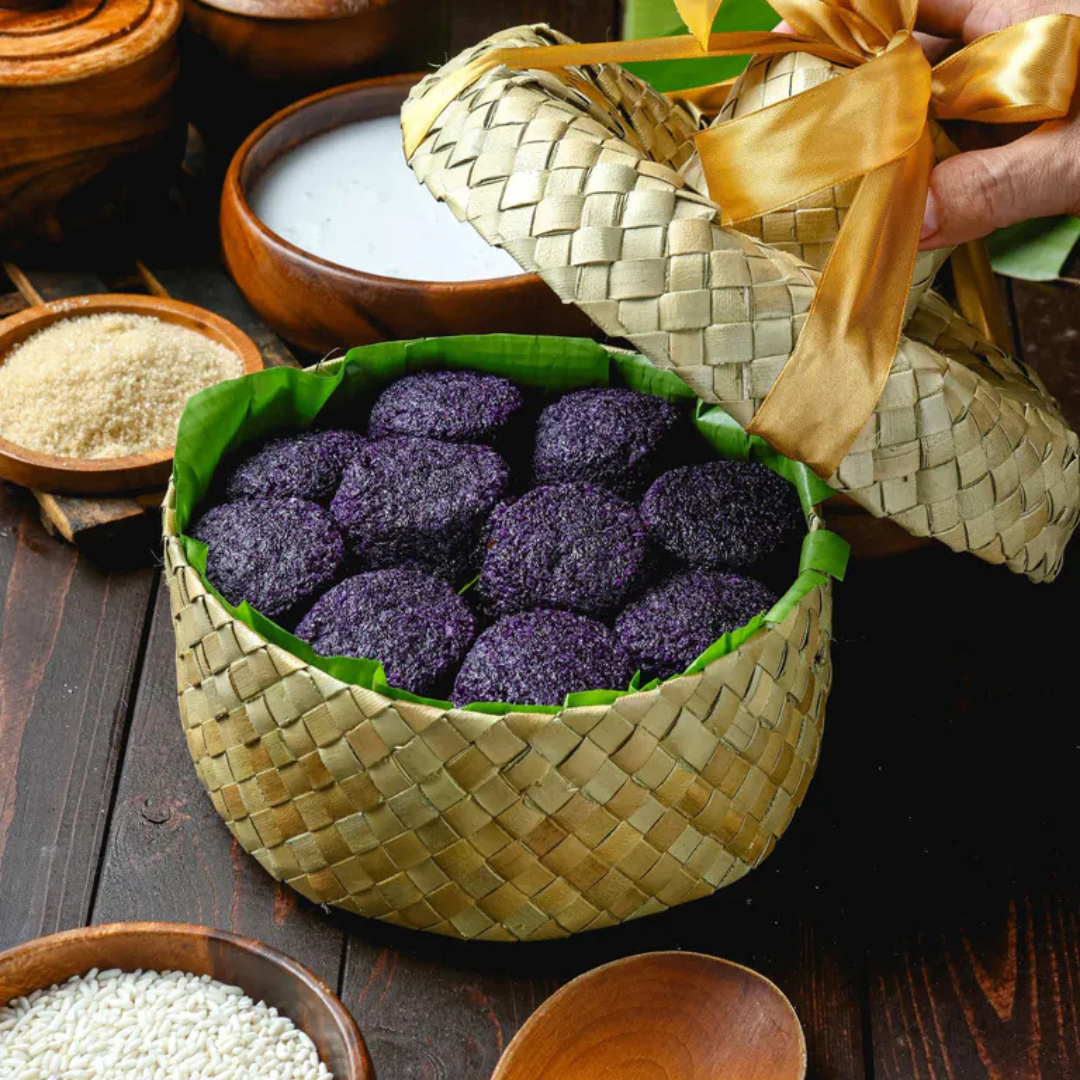
House of Puto Bao’s mission is to become the primary source of regional kakanin for Metro Manila.
"When I say across the Philippines, I mean the different kinds of kakanin," Gabby explains. "Our goal is to go around the Philippines, figure out what's great from each region, and make that available here in Metro Manila."
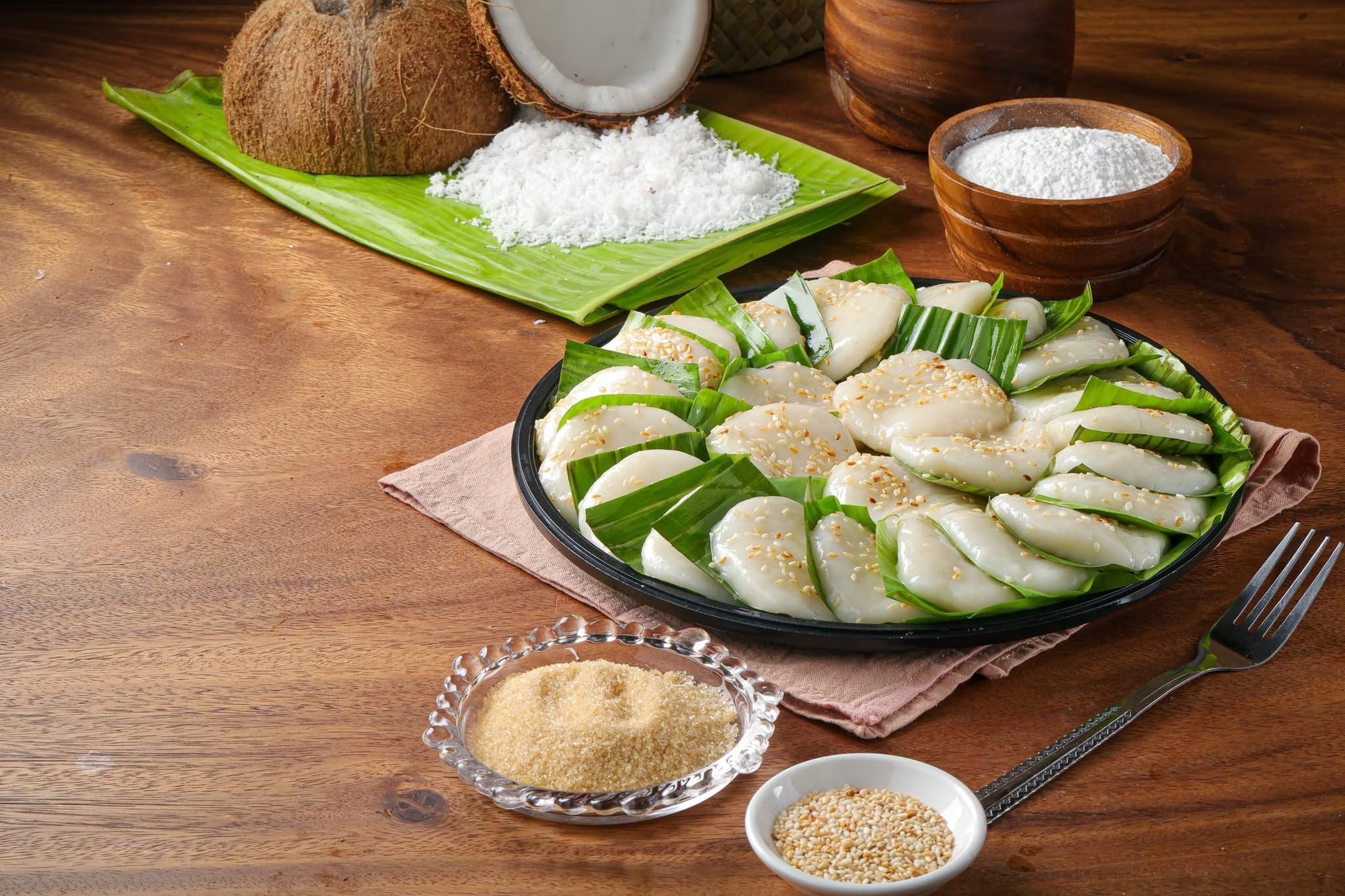
It's a preservation mission as much as it is a food business — pulling traditional Filipino sweets and rice cakes out of their regional contexts and putting them in front of Metro Manila customers who might never have encountered them otherwise. The vision extends further: eventually expanding into the Visayas and Mindanao, and becoming the name people reach for when they want authentic kakanin regardless of which region it comes from.
To get there, the business has positioned itself at the center of Metro Manila's food delivery ecosystem. The three branches — the main commissary in Capitolio, Pasig; a branch along EDSA in Cubao; and a location in Parañaque along President's Avenue — are placed deliberately in high-density food delivery zones. House of Puto Bao operates on GrabFood, Foodpanda, and their own website, optimizing for delivery radius coverage across the metro.
Excellence & Equity
Gabby runs the business on two principles he keeps coming back to: excellence and equity.
Excellence is about the product. With kakanin, quality control is non-negotiable and genuinely difficult. The core raw material is coconut — and coconut quality varies. "Anytime we have any challenges or quality issues, we try to address them right away and create systems in place to make sure it doesn't happen again," Gabby says. For a food business whose reputation is built on freshness and authenticity, any quality inconsistency is a direct threat to the trust they've built. They don't let issues slide.
Equity is about people. It means being fair to employees and to customers, giving both the kind of service and treatment the business would want if the positions were reversed. In a sector where margins are tight and turnover is high, that commitment to fairness is how you build a team that sticks around — and a customer base that comes back.
Structural Support
Initially, their day-to-day payments were still running through personal GCash, Gabby's or Jenny's, depending on who was handling the rush. Eventually, mixing personal accounts with business transactions made figures more prone to error, and sorting through them was the kind of low-level friction that added up across a week of high-volume operations.
The use of PayMongo provided an organized system. "It allows us to always have a bird's-eye view of how we're doing in terms of online or direct sales every day of the week," Gabby says. Business money is tracked separately, daily performance is readable at a glance, and the team can make operational decisions based on numbers they can actually trust.
Jenny and Gabby utilize PayMongo payment links — a dedicated, verifiable step between customer intent and payment confirmation. After undergoing a fake screenshot case in 2024 that cost them a hefty amount, they evolved to become more structurally secure.
While payment links worked with younger patrons, their senior customers in particular found the multi-step link process difficult to follow. The solution was QRPh — a scan-and-pay experience straightforward enough that Gabby or his staff could walk anyone through it in thirty seconds.
"Click on the image, download the image, go to your digital bank, upload the QR — and all of a sudden it becomes easy for them," he explains.
Now QRPh is the default across everything: in-branch, at bazaars, at events. The website runs through PayMongo too. The whole payment stack is unified under one platform.
An organized tracking process, a secure verification system, and multiple acceptance methods. The integration of PayMongo’s readily available tools improved the business experience – both for the customers and the owners.
For the Filipino
For a husband-and-wife team running a food business across three branches, multiple delivery platforms, and a growing catalog, having that infrastructure unified in one place is paramount. If the kakanin is the heart of the company, the financial operating system is a vital organ in the body of the business. PayMongo is committed to continuing that support as they continue to build.
The House of Puto Bao is nine years in and still growing. The de Vera’s aim to expand to 10 branches in the next 5 years.
A big goal is the direct sourcing of raw materials — starting with coconuts. Right now, coconut quality is the hardest variable to control. If House of Puto Bao can own that supply chain directly, they remove the biggest source of inconsistency from their main product. For a business built on quality and authenticity, that's a foundation for the kind of scale that makes the regional expansion vision real.
When offering advice to other entrepreneurs, Gabby is characteristically straightforward: "Don't be afraid of the extra expenses." He's speaking specifically about the fees that come with payment solutions like PayMongo — the hesitation some small business owners feel when they see the cost of using a platform. His answer is pragmatic: the fees exist for a reason, and the value they return in operational clarity and fraud prevention is worth more than the percentage.
"It helps you keep your business streamlined and helps you always have an overview of how you're earning money," he says. "So just tough it out and don't be afraid."
House of Puto Bao is a PayMongo merchant based in the Philippines, with branches in Pasig, Cubao, and Parañaque. Order at houseofputobao.com or through GrabFood and Foodpanda.