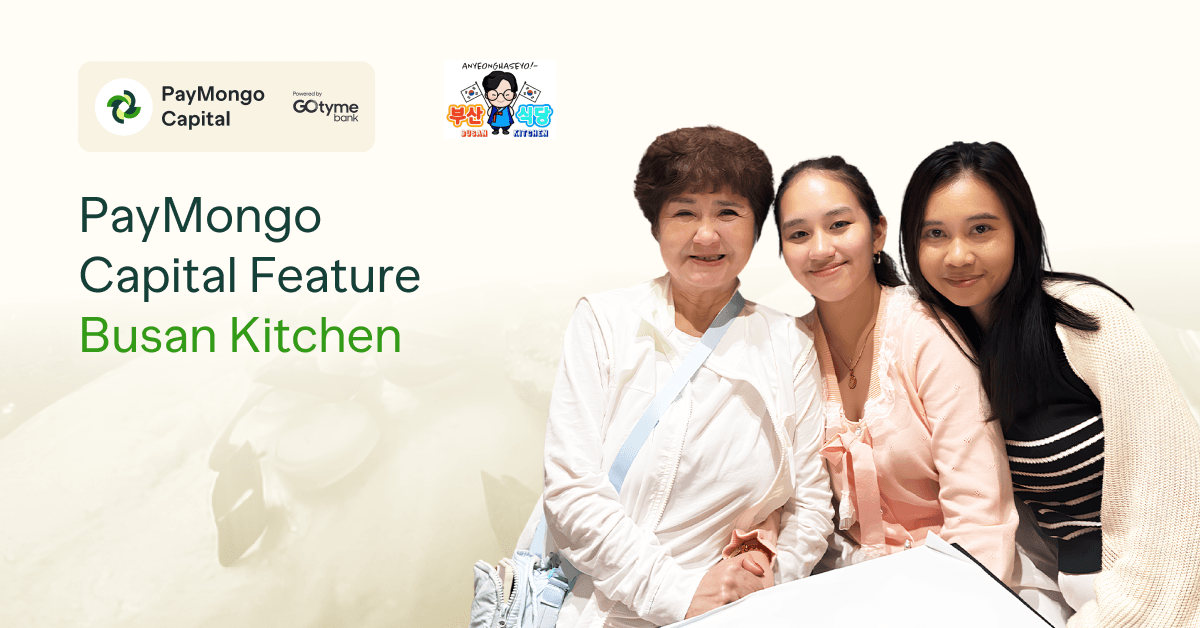
Daniel Kim and Andrea Ma Collins’ source of comfort through the trying times of COVID-19 came from the Traditional Korean recipes passed down through Daniel's family in Busan and Jeju. When friends started asking for these dishes constantly, Andrea and Daniel made the leap into restaurantship. Busan Kitchen is a family-owned establishment that knows how to grab major growth opportunities while keeping the cultural core of their business strong.
Defining Authenticity
The Korean food scene in the Philippines is steadily growing alongside the demand for K-entertainment. Korean restaurants have multiplied alongside the Hallyu wave, and most of them offer the staple and highly commercialized Korean fried chicken, corn dogs, bingsu.
Busan Kitchen is walking the less-taken –but no less valuable– path by introducing classic dishes to the Filipino palette.
"Our mission isn't just to serve food," Andrea explains. "It's to share Korean culture." The dishes on their menu aren't the ones you see on food reels. They serve dishes like tteok-guk, the rice cake soup traditionally eaten on New Year's for longevity. They mark Chuseok, Seollal, the March 3rd festival and take the time to explain the origins and importances of these events.
"We teach them the story and the meaning behind each tradition," Andrea says. "That's what makes us different." Filipino customers aren't just buying food — they're learning why the food exists in the first place. That layer of context is what builds loyalty, and it's what word-of-mouth is actually made of.
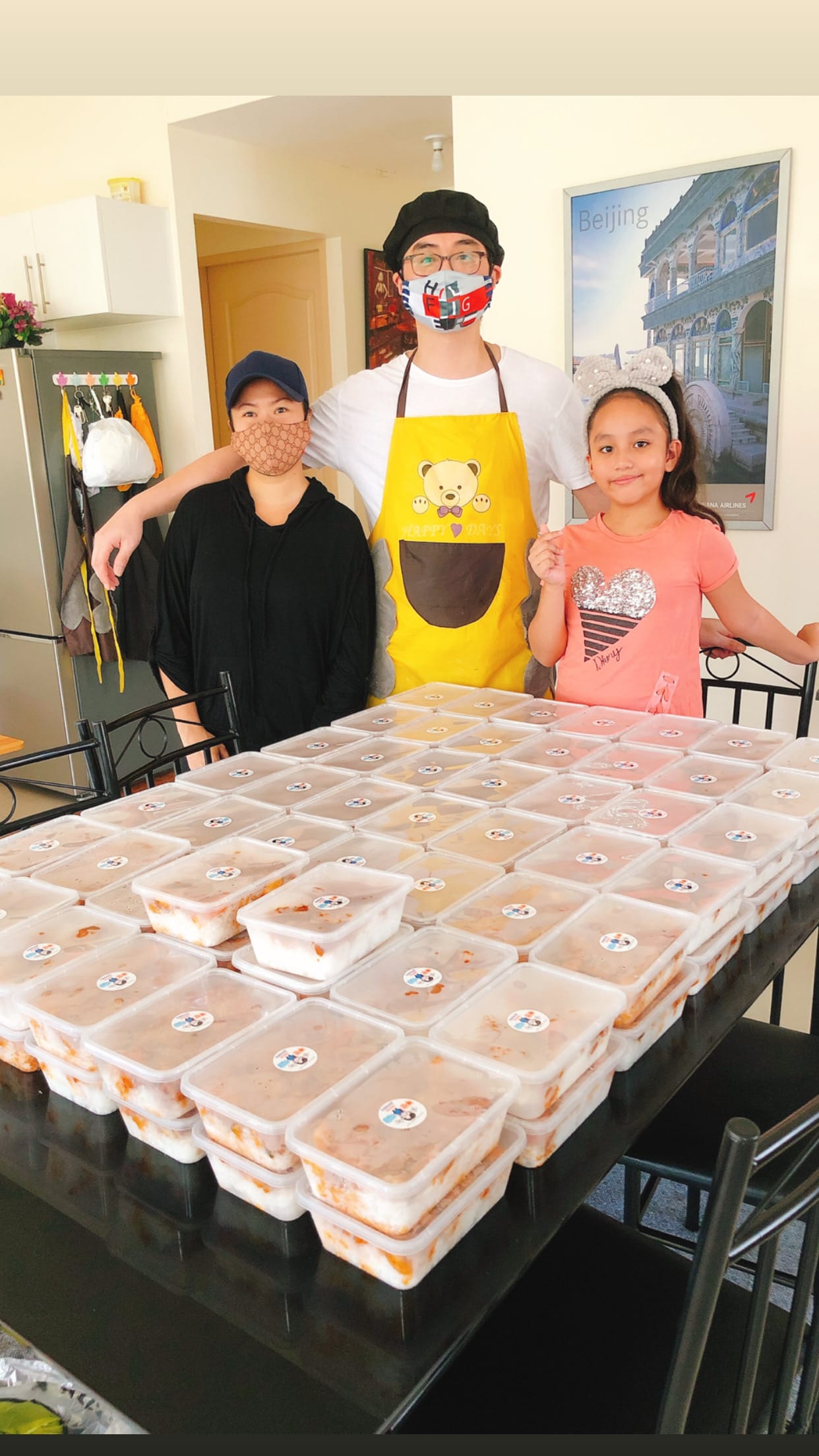
Busan Kitchen didn't spend on advertising in its early months. They served close friends first, collected honest feedback on taste, packaging, and the overall experience, and let the orders build from there. Within a few months, the demand was consistent. Within a few years, they'd become a recognized name — a five-star-rated cloud kitchen with multiple awards, built almost entirely on reputation.
Growth Signals
Growth without infrastructure eventually hits a wall.
Busan Kitchen was growing, but the business was still lean — Andrea handling social media, marketing, and kitchen work simultaneously, with Daniel managing operations. The kind of setup that works when you're small, but starts to leak when demand starts outpacing your capacity.
Scaling a cloud kitchen means scaling inventory, production, and people — all at the same time. For a business running on its own cash flow, those investments compound fast.
This is where PayMongo Capital came in.
Scaling 3x with Capital
Busan Kitchen had been using PayMongo for payment processing since they launched their website four years ago. The platform handled payments and invoices, giving customers a reliable checkout experience from the start.
When PayMongo Capital became available to them, the decision was straightforward. "It's accessible and simple," Andrea says. "There are no hidden charges, no postdated checks required — and the funding comes through fast, often by the next day, without the manual bank paperwork."
The repayment structure made it easier to commit. Repayments are automatically deducted from sales, which means they adjust with revenue rather than running on a fixed schedule that ignores how the business actually moves. For a cloud kitchen with seasonal peaks — Korean New Year, Chuseok, holiday gifting — that flexibility is the difference between manageable and stressful.
The funding was utilized immediately. Busan Kitchen used it to expand inventory and increase production capacity, then extended the menu to include a wider range of traditional Korean dishes that they hadn't been able to offer at scale before. And critically, they tripled the size of their kitchen team.
"We were able to move beyond a solo-operated structure," Andrea says. That shift — from founders doing everything to a team with defined roles — is when a food business stops being a hustle and starts being a company.
Looking Ahead
Busan Kitchen's long-term goal is a physical restaurant. The cloud kitchen model gave them the space to build their brand and systems without the overhead of a brick-and-mortar location, but the vision was always to have a place where customers can walk in, sit down, and experience the culture they've been reading about in the menu descriptions.
They're not rushing it. "We're taking a careful, measured approach," Andrea says — making sure the business is sustainable before making that next investment. The reputation is there. The team is growing. The foundation is solid enough to build on.
Funding to Feed
Busan Kitchen's story is one PayMongo sees across its merchant base: a business that started small, built genuine demand, and then hit the capital ceiling that eventually stops most good ideas from scaling.
PayMongo Capital is designed for exactly that moment. Repayments tied to sales — not fixed monthly installments. No postdated checks. No weeks of bank paperwork. Funding that moves as fast as the business needs it to.
From payment acceptance at launch to Capital for expansion, Busan Kitchen's relationship with PayMongo has grown alongside the business itself. That's how PayMongo approaches its merchants — not as accounts to process, but as businesses to grow with. The tools are there for wherever a merchant is in their journey: collecting their first online payment, streamlining invoices, or scaling a team to meet real demand.
For Andrea and Daniel, the next chapter involves physical locations, a bigger team, and a menu built on twenty years of family recipes. For PayMongo, we look forward to continuing the support in their growth journey.
Visit Busan Kitchen at https://busankitchenph.com/ for more information. To learn more about PayMongo Capital, visit www.paymongo.com. Sign up for free today and discover PayMongo’s suite of financial tools to kickstart your business growth.
Busan Kitchen is a PayMongo merchant and PayMongo Capital borrower based in the Philippines, specializing in traditional Korean cuisine and cultural food experiences.