Built where payments are hard. The experience layer travels.
PayMongo spent seven years building payment infrastructure in one of the world's most fragmented markets. What we learned about the surface a customer actually touches is the part that works anywhere.


Why the Philippines is the credential, not the limitation.
A single Philippine checkout has to hold cards, half a dozen local schemes, bank rails and a QR standard, for customers who switch method by transaction and abandon on the second tap. There is no default payment method to design around and no forgiving margin for a slow page.
Building for that taught us the thing this company now sells: the surface is where transactions are won or lost, and it is the part almost nobody has time to build properly. The processing underneath differs by market. The problem in front of it does not.
The numbers below are the scale that layer was proved at, through PayMongo's licensed Philippine operations since 2019.
$18 billion+
Processed since 2019
2.7 billion
Transactions handled
350,000+
Businesses served
What travels and what does not
What travels
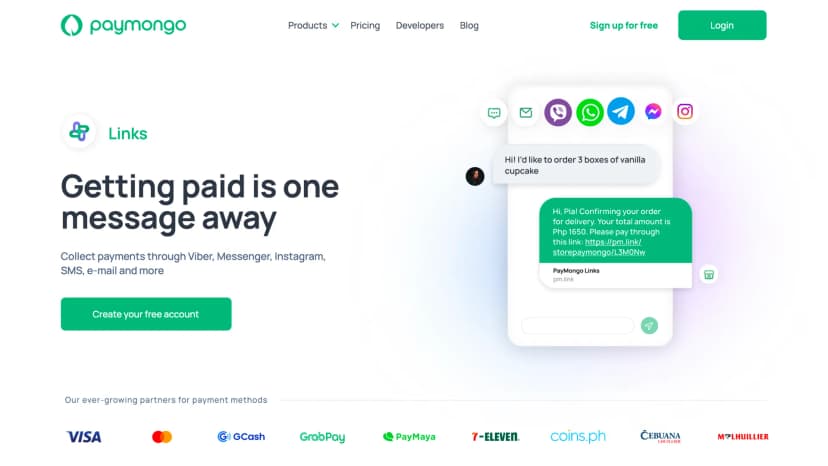
The channels. A hosted checkout, a payment link, QR ordering, a generated storefront — the surfaces a customer meets, and everything we learned about making them convert.
What stays in the Philippines
The licensed operations. Processing, the funds, and every regulated activity that goes with them belong to PayMongo Philippines, Inc. and stay there.
What is yours either way
Your processor, your contract, your customers. We are additive to the stack you already run, not a replacement for it.
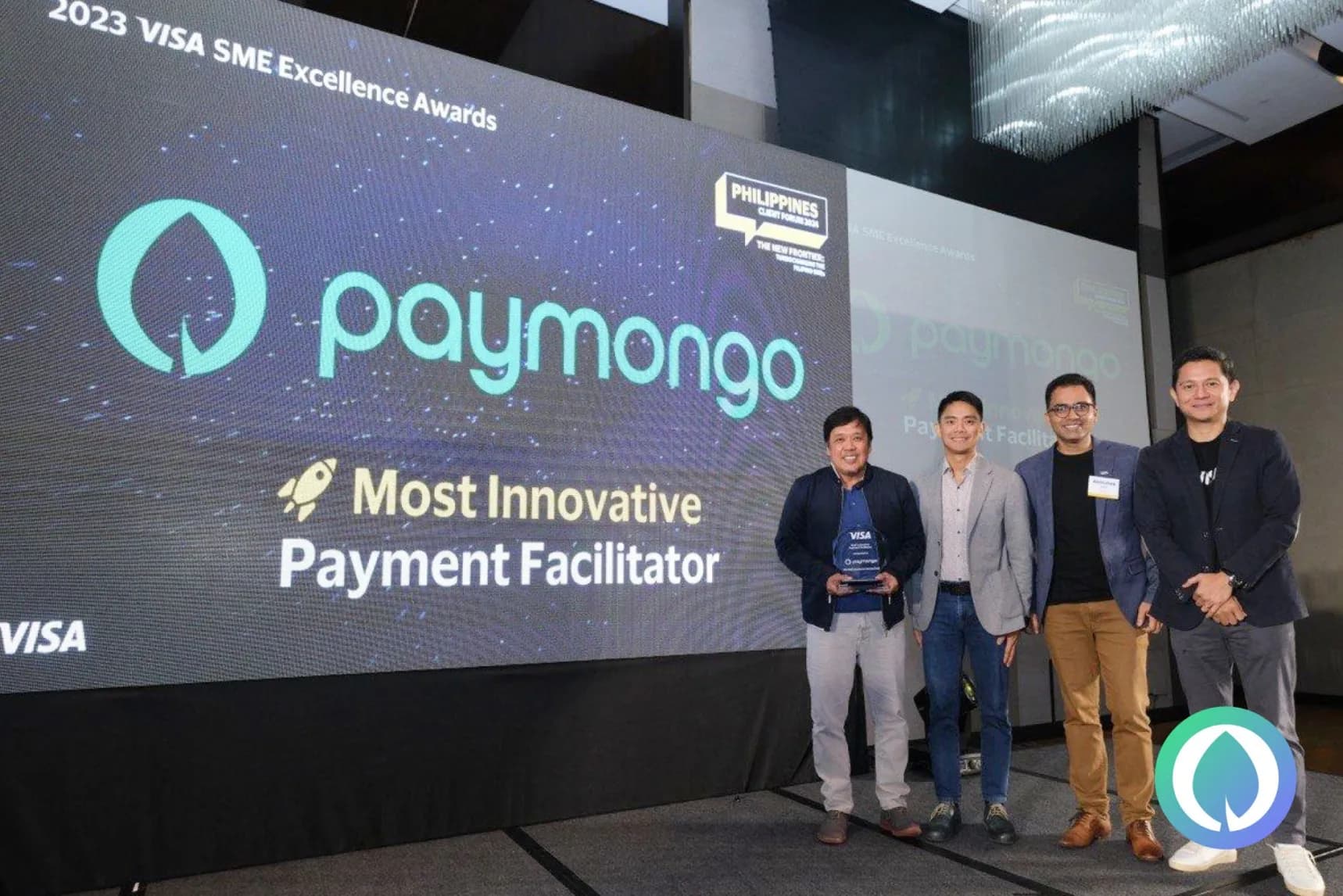

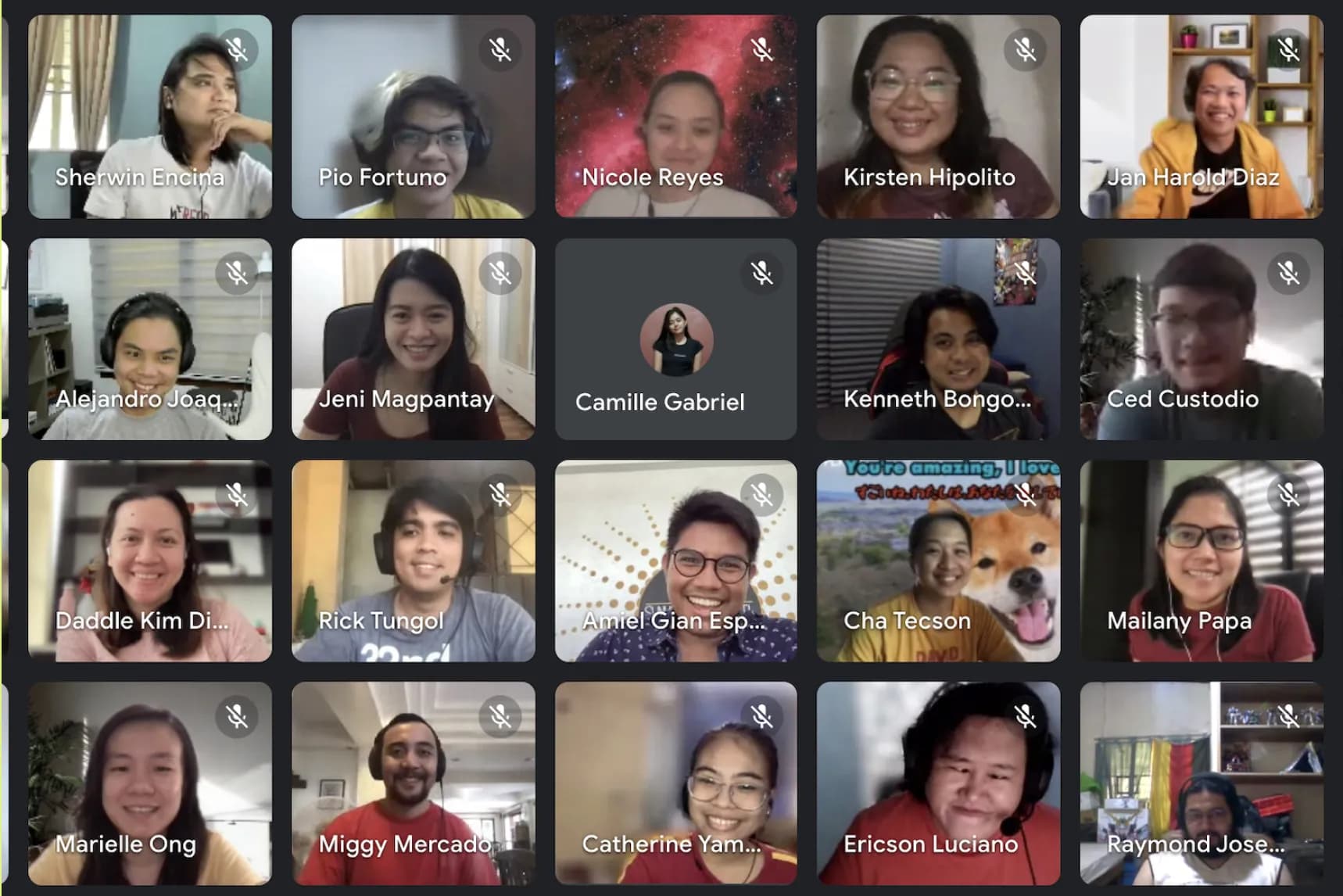

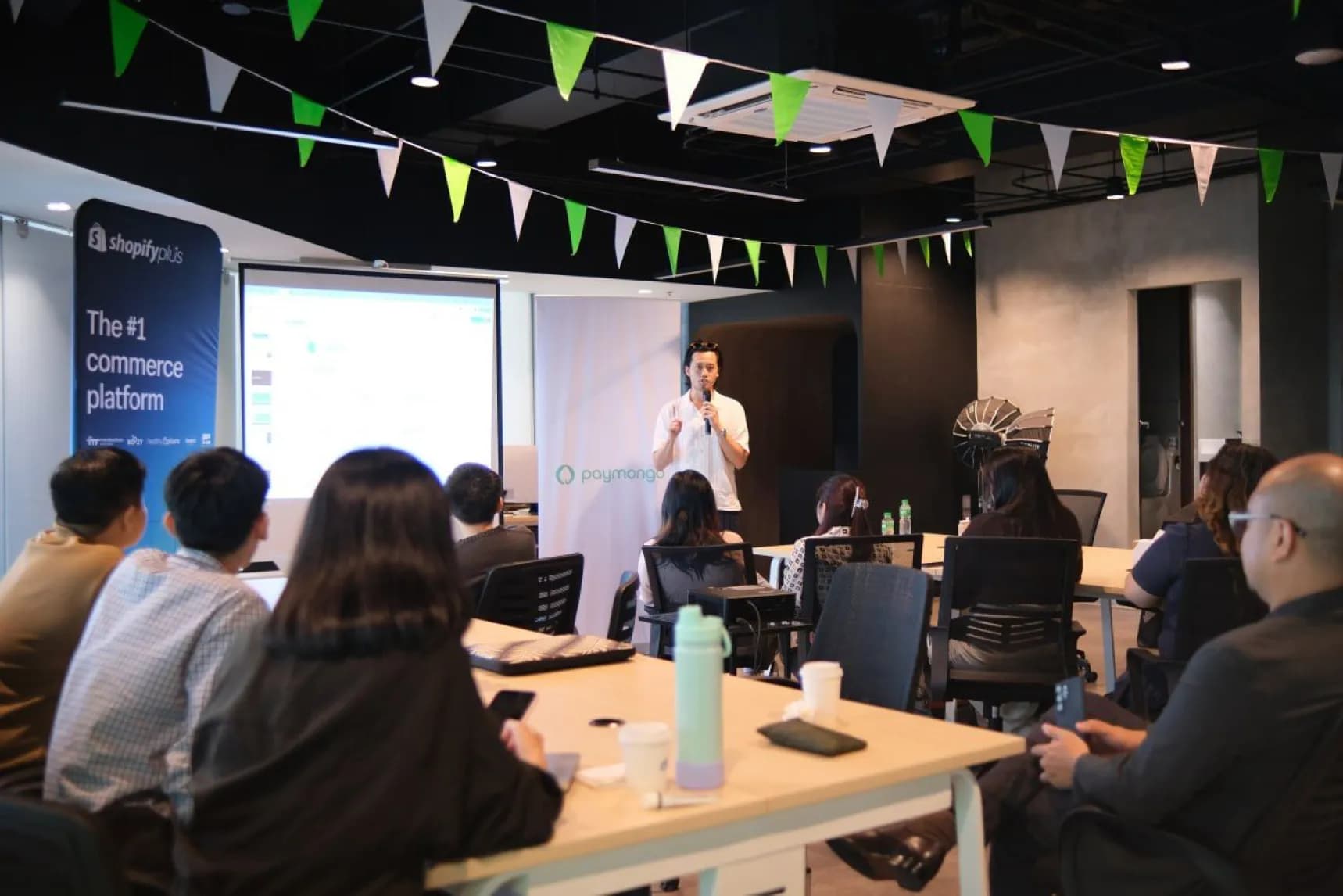
Featured In












Our Investors










Our Greatest Milestones
Founded
PayMongo launched with a mission to simplify online payments for Filipino businesses, and quickly became one of the country's most-used payment gateways.
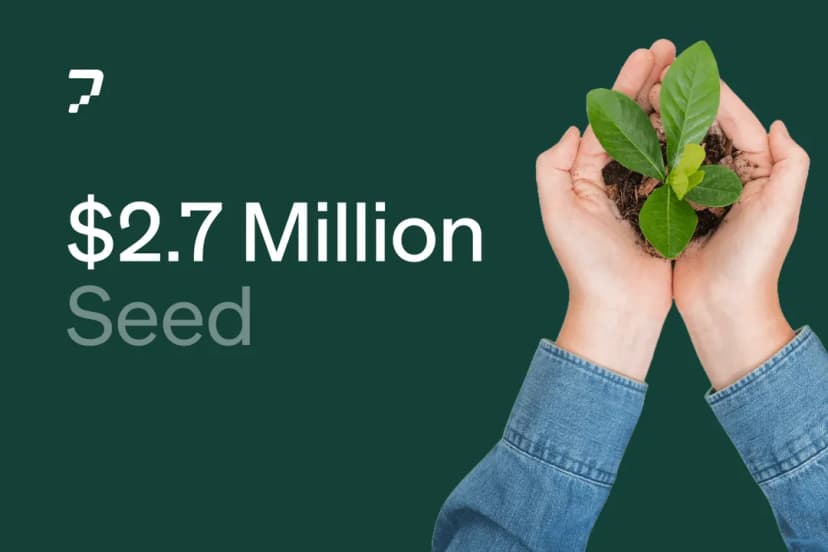
Seed Funding
Raised $2.7 million in one of the largest seed rounds in Philippine fintech history, enabling rapid development and onboarding of merchants.
Series A Funding
Secured $12 million in Series A funding, led by Stripe, supporting expansion and strengthening product offerings for a broader market.

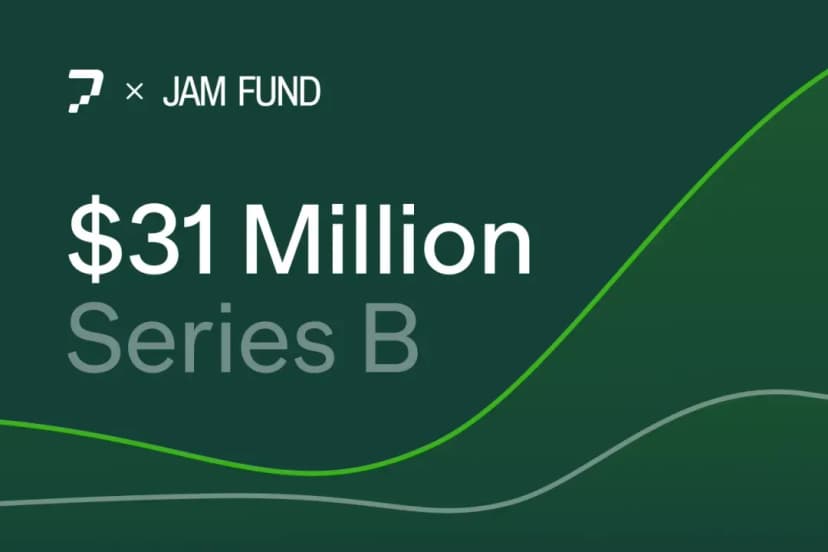
Series B Funding
Closed a $31 million Series B round, led by JAM Fund and other investors, allowing PayMongo to enhance its platform and explore regional growth opportunities.
12,000+ Merchants
Passed 12,000 Filipino businesses running their online payments on PayMongo, reinforcing our position as a leading gateway in the market.

Leadership Transition
Appointed Jojo Malolos as the new CEO, marking a new chapter of growth and innovation for PayMongo.